Production of steel structures

Steel structural manufacturing is the process by which steel is processed, adapted and assembled into load-bearing structures in buildings such as industrial buildings, warehouses and data centers.

How are steel structures produced?

  1. Design and dimensioning
  2. Cutting and processing of steel
  3. Welding and assembly
  4. Surface treatment
  5. Transport and assembly

IPOA manufactures steel structures with high precision, large capacity and extensive experience. Our modern production facilities in Norway ensure efficient production of both standardized and customized steel solutions. With a focus on quality, sustainability and fast delivery, we ensure that your project is always in safe hands.

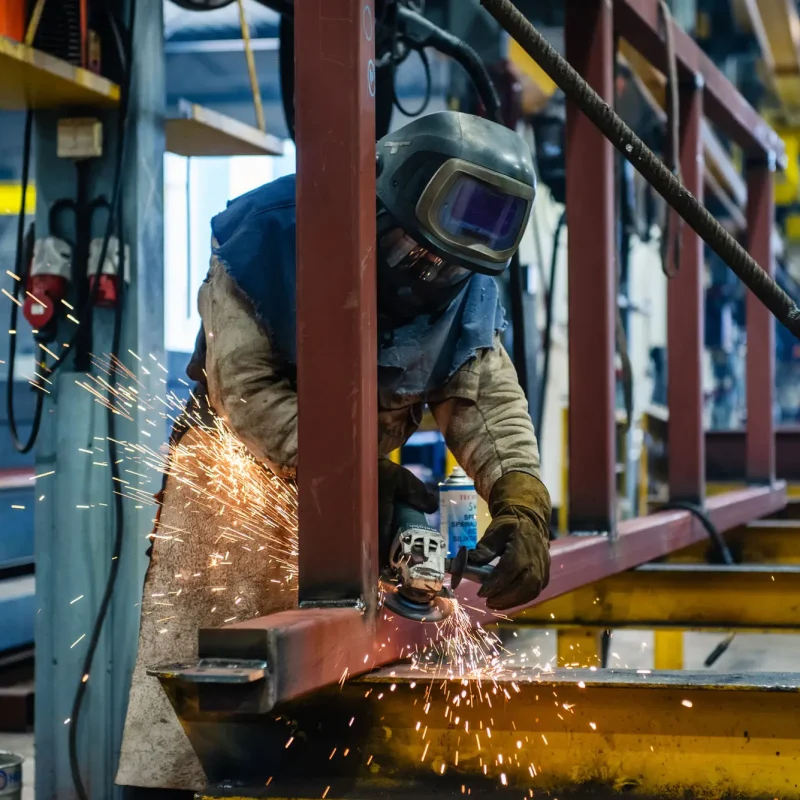
Welding at our factory in Norway

Custom-made steel buildings

We manufacture and deliver tailor-made steel structures, specially adapted to your project's requirements and specifications. Our experience with everything from industrial buildings and warehouses to complex structures ensures optimal and durable solutions.

Standardized steel solutions

For standardized projects, IPOA offers a wide range of prefabricated steel structures. Our standard solutions save time and costs, while meeting high quality requirements and construction standards.

  • Fast delivery and high availability

  • Effective solutions for common applications

  • Cost-effective and reliable designs

QUALITY 🇳🇴 SUSTAINABILITY

Norwegian-made.

Norwegian quality

Production in line with Norwegian standards and regulations. Production of structures and processing of steel takes place in our own, modern factory premises in Norway.

Short-haul steel solutions

Norwegian production also means shorter transport routes, faster deliveries and a lower climate footprint. By choosing IPOA, you are not only choosing quality and expertise, but also a more sustainable future.

Sustainable production

Responsible and environmentally friendly processing. When this happens in Norway, we can have full control over quality, safety and sustainability in all stages of production from black steel to fully assembled.

Complex steel production

Our advanced manufacturing facilities are built to handle complex and demanding steel projects. We have the capacity to produce high volumes and technically challenging structures with high precision.

  • Advanced welding and manufacturing techniques

  • Experience with large and technically demanding constructions

  • Certified processes and control routines

Surface treatment and corrosion protection

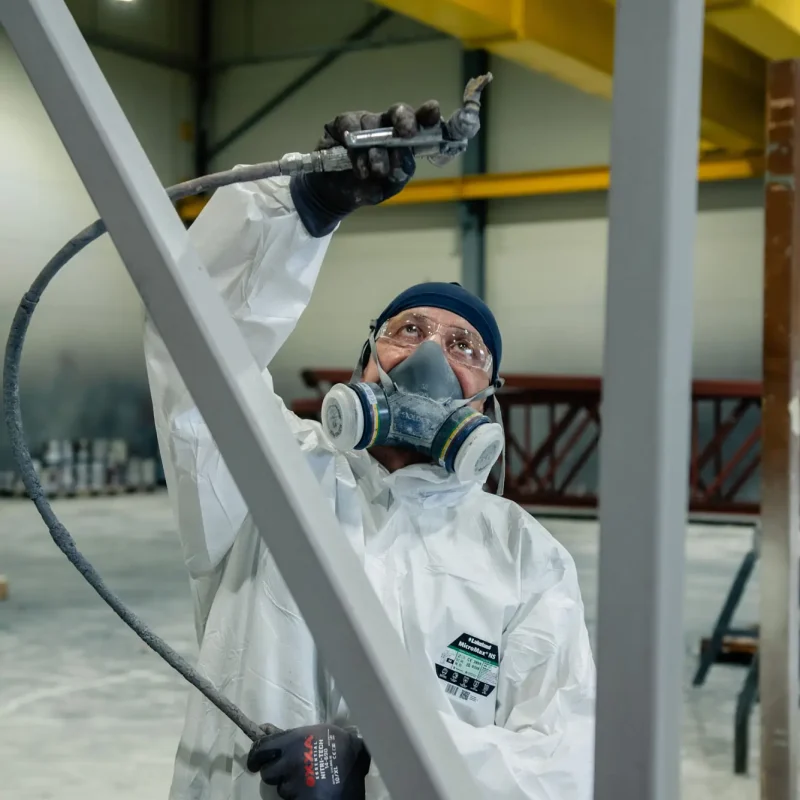
To ensure long life and durability, we perform professional surface treatment and corrosion protection. IPOA delivers both standard solutions and customized protection systems depending on environmental requirements and application.

  • Sandblasting, galvanizing and painting

  • Certified quality and control routines

  • Effective protection against weather, wind and corrosion

The paint shop at IPOA's factory in Råde

From black steel to fully assembled

IPOA_25_4634

Reception and control

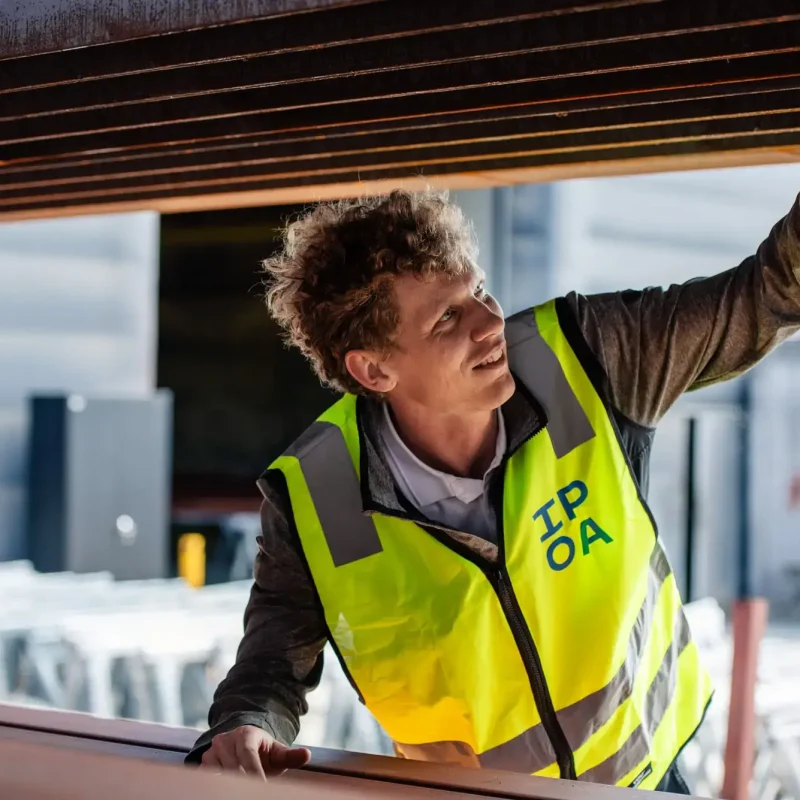
Raw steel arrives as black steel from the supplier. The materials are inspected and prepared for further processing.

IPOA_25_4897

Pretreatment and priming

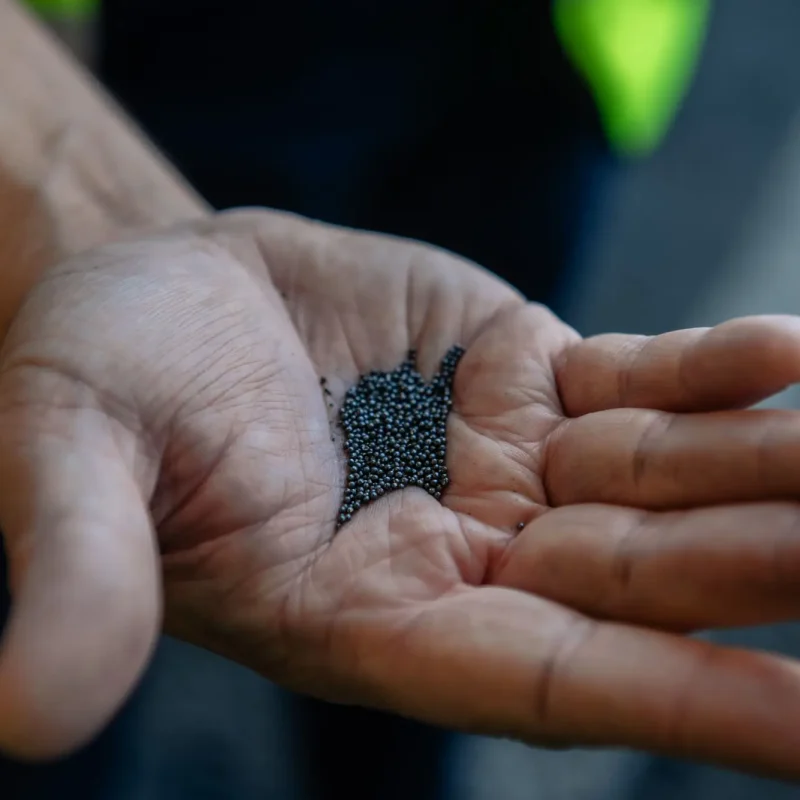
Millions of small steel balls are blown at high pressure and in combination with powerful brushes, the steel's surface is cleaned of oxides and impurities before a primer is applied that protects the steel during production and transport.

IPOA_25_4866

Cutting and processing

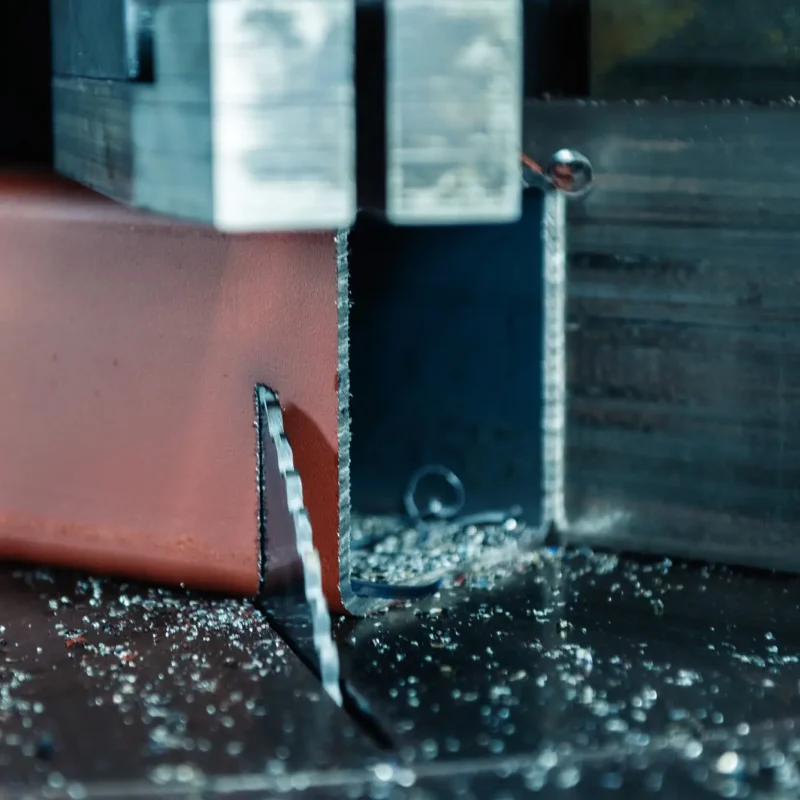
The steel profiles are cut to the correct lengths and processed by drilling, milling or threading – based on technical drawings and BIM models.

IPOA_25_4671

Design and engineering control

The parts are checked against drawings, dimensions and specifications to ensure accuracy and compliance with project requirements.

IPOA_25_4755

Assembly and welding

The parts are assembled and welded together to form complete structural elements. Each weld is quality-assured by certified professionals.

IPOA_25_4220

Final inspection and documentation

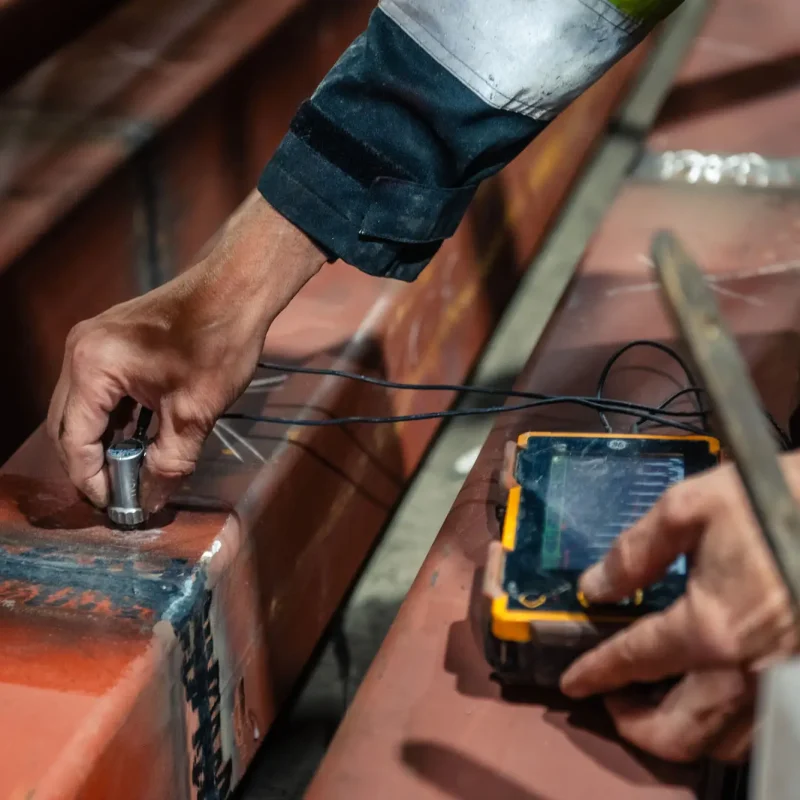
Spot tests are carried out and welds are inspected by an independent inspection body and documented.

IPOA_25_4088

Finishing

The structures receive final treatment – for example, fireproofing, varnishing or galvanizing – if the project requires it.

Ipoa-OstraLjungby-June2025-2

Packing and logistics

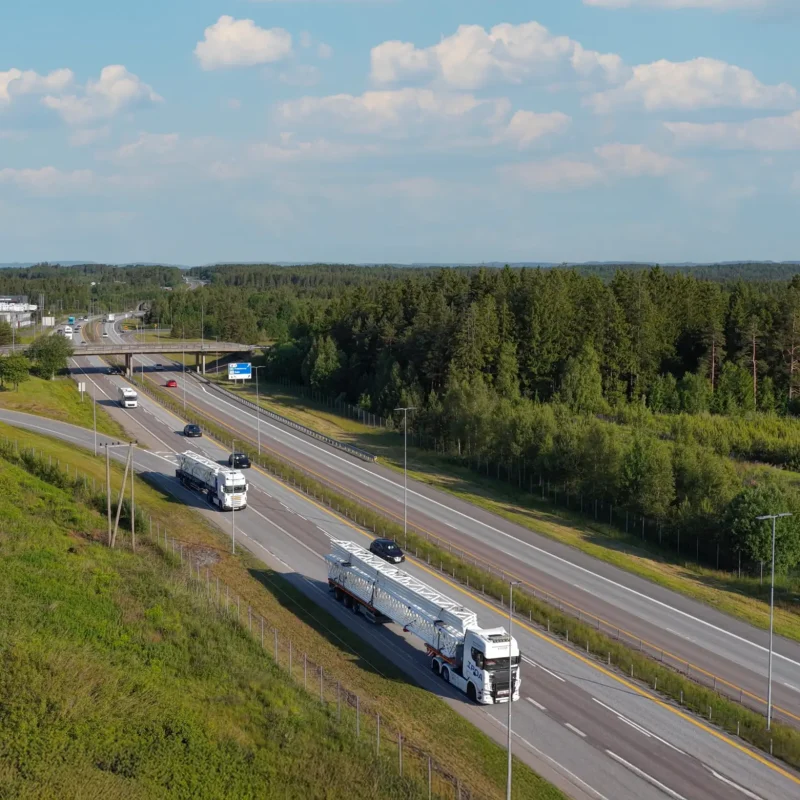
Completed structures are packed, labeled and organized for safe and efficient delivery to the construction site. IPOA's own assembly teams then ensure that everything is assembled as planned.

Frequently asked questions about steel structure manufacturing

What is steel structure manufacturing?

Steel fabrication is the process of machining and assembling steel into load-bearing structures for buildings. This includes cutting, drilling, welding and assembling steel profiles based on technical drawings and calculations. The result is structures used in industrial buildings, logistics buildings, warehouses and data centers.
Steel structures are used in buildings where high demands are placed on load-bearing capacity, flexibility and span. Typical areas of application are industrial buildings, warehouse and logistics buildings, production facilities, data centers and larger commercial buildings. Steel is particularly well suited for projects that require open areas without many columns, or where the structure must withstand heavy technical installations.
Production starts with design and dimensioning, where the structure is calculated and modeled digitally. The steel is then processed through cutting, drilling and fitting according to drawings. The parts are assembled and welded into finished elements, before undergoing quality control. Finally, the steel is treated with, for example, painting or galvanizing before being transported to the construction site for assembly.

Steel provides high strength-to-weight ratio, which makes it possible to build large and open structures with fewer load-bearing elements. The material also has predictable properties, which makes it well suited for precise design and prefabrication. In addition, steel structures can be manufactured efficiently and assembled quickly on site, which contributes to shorter construction times.

Time spent varies depending on the size and complexity of the project. Smaller structures can be produced in a short time, while larger and technically demanding projects require more planning and production time. Prefabrication in a factory makes it possible to streamline the process and reduce the time spent on site.
Steel is a material that can be recycled without losing its properties, and recycled steel is widely used in new constructions. Efficient production, optimal use of materials and prefabrication also contribute to reduced waste and more controlled use of resources. The choice of production method and transport solutions also has an impact on the total climate footprint. Suppliers such as Norwegian IPOA also ensure shorter transport from the production line, which results in a lower climate footprint.

The cost is affected by several factors, including the amount of steel, the complexity of the construction, the requirements for surface treatment and tolerances, as well as logistics and assembly. Good engineers can provide significant savings through more efficient use of materials. Projects with a high degree of standardization and repetition will often be more cost-effective than custom solutions.

Quality is ensured throughout the entire production process, from raw material inspection to finished product. This includes monitoring of technical drawings, tolerance control and certified welding. In addition, inspections and documentation are carried out in accordance with applicable standards and requirements for steel structures.

To ensure a long service life, steel structures are treated with various types of surface protection. Common methods are sandblasting, painting, galvanizing or a combination of these. The choice of treatment depends on the environment in which the structure will be located, for example indoors, outdoors or in aggressive environments.

Yes, steel structures can be adapted to both simple and complex projects. They can be dimensioned and designed to specific requirements for load, geometry and function. This makes steel a flexible material that can be used in everything from standard warehouse buildings to advanced industrial buildings and special structures.

Projects

Cermaq smolt plant on Sørøya

IPOA has delivered steel trusses to Cermaq Norway AS's new smolt facility on Sørøya in Finnmark - a project that strengthens Norwegian aquaculture and facilitates future growth in the industry.

View project