Steel structures are used in most larger buildings today, but the solutions vary considerably depending on what the building will be used for. A warehouse, a data center and an industrial building have different requirements for load-bearing systems, spans and flexibility.
Choosing the right construction is therefore not about one standard solution, but about finding what works best in practice – both during construction and in operation.
What is meant by a steel structure?
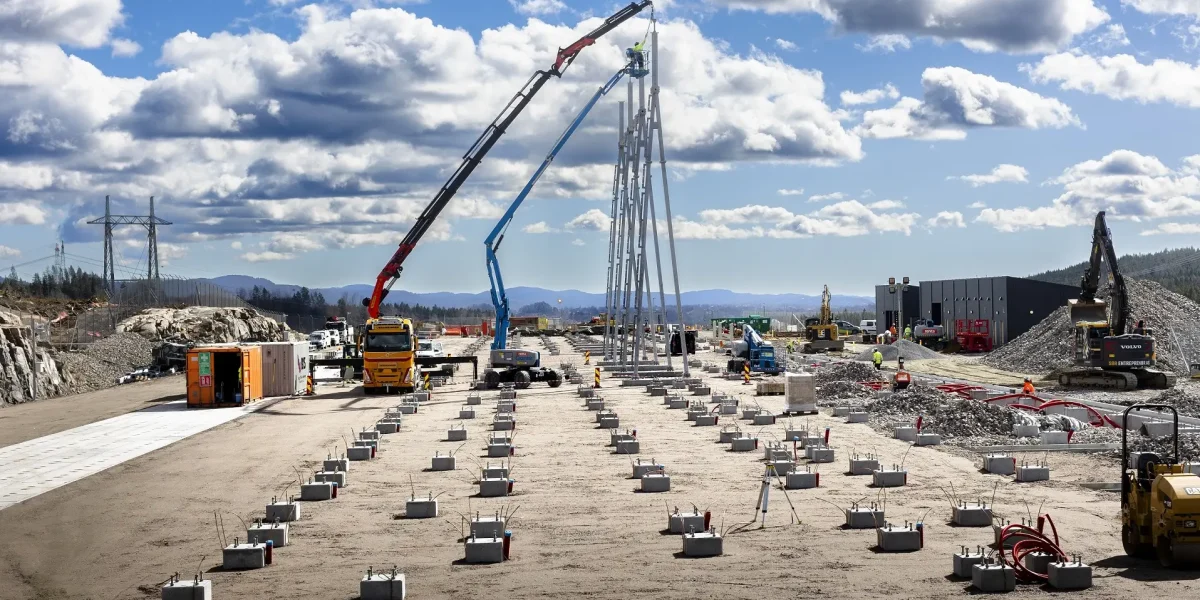
A steel structure is the load-bearing system of a building, where loads are carried through columns, beams and connections down to the foundation. It is this structure that determines how the building can be used, how large open areas are available, and how flexible it is over time.
In buildings requiring large spans, high loads or efficient construction, steel is often a natural choice.
The most common construction types in practice
In practice, most buildings follow a few main types of construction, although the solutions are often adapted to each project.
Frame constructions – standard in logistics and industry
Frame structures with columns and beams are used in most logistics and industrial buildings. They provide good load-bearing capacity and make it possible to keep large areas open.
This is particularly relevant where the building will handle the flow of goods, truck traffic or changes in use over time. The solution is effective in both design, production and installation.
Truss – when the spans get big
When spans increase or weight needs to be reduced, truss structures are used. These distribute forces efficiently and make it possible to build large roof surfaces without many columns.
Trusses are often used in sports halls, larger warehouses and buildings requiring large open spaces.
Beam and column systems – flexible commercial buildings
In buildings with multiple functions, such as office buildings or combination buildings, beam and column systems are often used. These provide good control of loads and flexibility in the layout.
The system is easy to adapt and works well in projects where different functions are to be combined in the same building.
Special constructions – adapted to complex buildings
In more technically demanding buildings, such as data centers and processing plants, custom solutions are often developed. Here, the construction must be adapted to technical equipment, loads and operational requirements.
This requires close collaboration between design, production and installation to ensure that the solution works in practice.
What determines which solution is chosen?
The choice of steel structure is guided by the requirements of the project. Among other things, the following are considered:
- span and geometry
- loads from snow, wind and drift
- how the building will be used
- need for flexibility and future changes
- interaction with technical installations
The most important thing is not the type of construction itself, but how the solution is dimensioned and adapted to the project.
Why steel is used in many buildings
Steel is used in many buildings because it provides a combination of strength, flexibility and efficient execution.
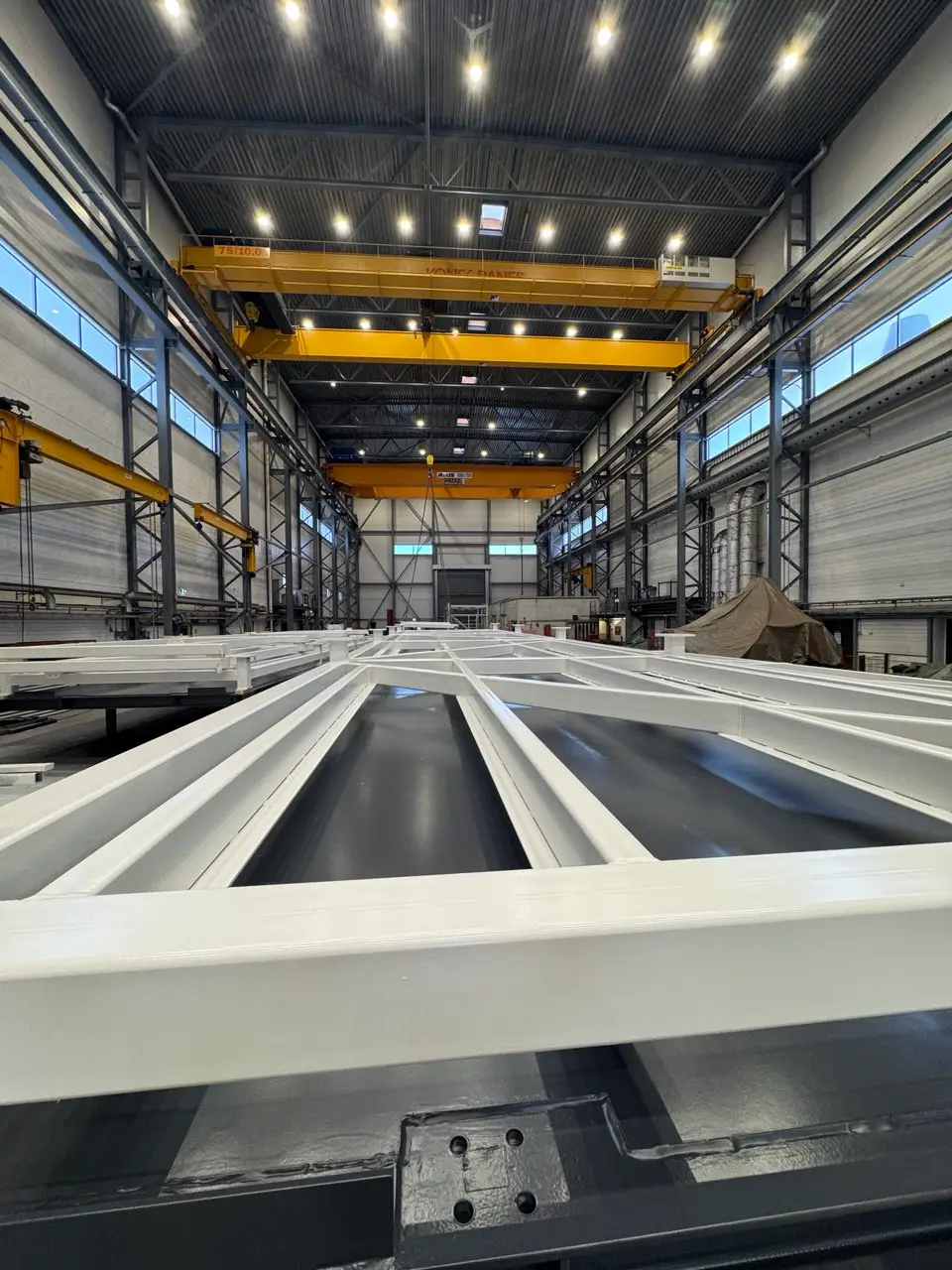
The material is particularly well suited where large open areas, high load-bearing capacity and rapid progress are required. Prefabricated elements make it possible to produce the structure before it is delivered to the construction site, which provides better control over quality and progress.
In addition, steel allows for adaptation and changes over time, which is important in buildings with a long lifespan.
Summary
Different types of steel structures are used in different buildings, depending on the requirements for function, load and flexibility. The right choice of solution affects both cost, progress and how the building functions in practice.
The difference between a good and a less good result often lies in how the construction is designed and adapted – not just which type is chosen.
Do you need to consider the right solution?
The choice of steel structure is made early in the project and has a major impact on the outcome. It is therefore important to make the right assessments before locking in the solution.
IPOA designs, manufactures and assembles steel structures for construction and industry throughout Norway and the Nordic region.